



Symbols are fundamental elements of human culture, serving as visual or conceptual representations that communicate complex ideas, beliefs, and values across generations. They are found universally—from ancient civilizations to contemporary digital environments—highlighting their enduring significance in shaping human cognition and societal identity. Over millennia, the meanings attached to symbols have evolved, yet their core function as carriers of cultural narratives remains constant. This article explores the journey of symbols from their origins in mythology to their current manifestations in modern media, including the realm of digital gaming, illustrating how they continue to connect our past with the present.
- 1. Introduction: The Significance of Symbols in Human Culture and Communication
- 2. The Role of Symbols in Mythology: Foundations of Cultural Narratives
- 3. From Myth to Meaning: The Transformation of Symbols Over Time
- 4. Symbols in Modern Gaming: An Extension of Mythological Archetypes
- 5. Educational Perspectives on Symbols: Teaching Through Myth and Media
- 6. The Semiotics of Symbols: Decoding Meaning Across Contexts
- 7. The Impact of Symbols on Player Psychology and Behavior
- 8. Beyond Entertainment: Symbols as Cultural Bridges and Educational Tools
- 9. Conclusion: The Power of Symbols in Connecting Past and Present
1. Introduction: The Significance of Symbols in Human Culture and Communication
Symbols are integral to human communication, transcending language barriers to convey shared meanings and cultural values. From ancient cave paintings to modern emojis, symbols serve as universal connectors that express complex ideas succinctly. They are embedded in rituals, art, religious practices, and social norms, acting as visual shorthand for collective identity. The evolution of these symbols reflects humanity’s ongoing effort to interpret and represent the world around us, adapting their meanings across different eras and mediums. This continuous transformation underscores the importance of understanding symbols not just as static images but as dynamic tools shaping cultural narratives.
Exploring Symbols: From Ancient Roots to Modern Contexts
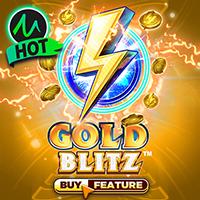
As civilizations advanced, symbols gained layered meanings—religious, moral, political, and personal—becoming central to storytelling and societal cohesion. Today, these symbols persist and evolve within digital platforms, including social media, branding, and entertainment, illustrating their versatility and resilience. For example, a symbol like the thunderbolt, historically associated with gods like Zeus, has transformed into a modern icon of power, speed, and innovation, often seen in logos and digital interfaces. This evolution exemplifies how symbols serve as bridges, linking ancient mythological concepts to contemporary visual culture.
Next, we delve into the role of symbols within mythology, laying the foundation for understanding their significance across different cultures and eras.
2. The Role of Symbols in Mythology: Foundations of Cultural Narratives
a. How Ancient Societies Used Symbols to Convey Religious and Moral Values
Ancient civilizations relied heavily on symbols to express their worldview, religious beliefs, and moral codes. Religious icons, sacred animals, and celestial motifs often represented divine forces or moral virtues. For example, the Egyptian scarab symbolized rebirth and protection, while the Christian cross signified salvation and sacrifice. These symbols facilitated communication in oral and visual traditions, serving as mnemonic devices that reinforced societal norms and spiritual teachings.
b. Examples of Key Mythological Symbols
Many mythological symbols have persisted across cultures, acquiring new layers of meaning. The thunderbolt, as in Greek mythology, exemplifies divine authority and power. Sacred animals, such as the cow in Hinduism or the eagle in Roman symbolism, embody spiritual qualities and societal values. Celestial bodies like the sun and moon often represented gods or cosmic principles, shaping religious rituals and mythic narratives that explained natural phenomena.
c. The Myth of Zeus and the Thunderbolt as a Symbol of Divine Power and Authority
In Greek mythology, Zeus’s thunderbolt is emblematic of divine authority and control over nature and human affairs. As the king of gods, Zeus wielded the thunderbolt both as a weapon and a symbol of his supreme power. This mythological image has transcended its origins, becoming an archetype for authority and strength in modern storytelling and branding, from logos to entertainment media. It exemplifies how a mythological symbol can encapsulate complex ideas of sovereignty, justice, and divine intervention.
3. From Myth to Meaning: The Transformation of Symbols Over Time
a. The Enduring Nature of Mythological Symbols in Modern Storytelling and Art
Many mythological symbols, such as the thunderbolt or sacred animals, have retained their core meanings while acquiring new associations. In contemporary storytelling—film, literature, and visual arts—these symbols evoke familiarity and depth. For instance, the lightning bolt in superhero comics and movies often signifies power, speed, and divine intervention, echoing its mythological roots. Such symbols serve as shorthand that connects audiences to universal themes of authority and heroism.
b. How Symbols Adapt to New Mediums—Literature, Visual Arts, and Modern Entertainment
The digital age has expanded the ways symbols are used and understood. Visual symbols now appear in video games, branding, and multimedia art, often borrowing from mythological archetypes. For example, modern fantasy novels and games frequently incorporate celestial symbols or divine motifs to develop characters and narratives. The ability of symbols to adapt across mediums demonstrates their flexibility and power in cultural expression.
c. The Psychological and Social Functions of Symbols in Reinforcing Cultural Identity
Symbols function psychologically by fostering a sense of belonging and shared identity. Socially, they reinforce cultural norms and moral values. For example, national flags or emblems serve as collective identifiers, while mythological symbols evoke cultural pride and continuity. They help individuals and groups interpret their place in society and the universe, a principle that persists whether in ancient rituals or modern digital communities.
4. Symbols in Modern Gaming: An Extension of Mythological Archetypes
a. How Game Designers Incorporate Mythological Symbols to Evoke Familiarity and Depth
Game developers frequently leverage mythological symbols to quickly communicate themes and evoke emotional responses. By integrating archetypes like gods, legendary artifacts, or celestial motifs, they tap into the collective subconscious. This approach enhances storytelling, making worlds more relatable and layered. For example, the depiction of thunderbolts in slot games or adventure titles immediately signals power and excitement, connecting players’ expectations with ancient narratives.
b. Case Study: Le Zeus and the Use of Zeus’s Thunderbolt as a Symbol of Power and Luck
Modern slot games like Le Zeus utilize the mythological thunderbolt to symbolize luck, power, and reward potential. Such symbols evoke the divine authority of Zeus, encouraging players to associate gameplay with notions of success and mastery. These design choices demonstrate how ancient symbols are repurposed to enhance engagement and convey cultural resonance even in digital environments.
c. The Integration of Symbols Like Scatter Icons and Bonus Triggers to Enhance Player Engagement
Symbols such as Scatter icons and Bonus triggers are strategically used to create anticipation and reward within games. Their design often draws inspiration from mythological or cultural symbols—like the thunderbolt—to tap into subconscious associations of power and fortune. This semiotic layering enhances immersion and motivates repeated play, illustrating the seamless blending of mythic archetypes with modern game mechanics.
5. Educational Perspectives on Symbols: Teaching Through Myth and Media
a. Using Mythological Symbols to Teach Cultural History and Mythology
Educators utilize mythological symbols to illustrate cultural values and historical narratives. Analyzing symbols like the thunderbolt or sacred animals helps students understand ancient worldviews and moral frameworks. Interactive media, such as video games, serve as engaging tools for exploring these themes, making complex mythologies accessible and relevant.
b. Analyzing Symbols in Games as a Way to Understand Modern Storytelling Techniques
Video games often encode cultural symbols within their mechanics and narratives, providing a rich context for studying semiotics. For example, the use of divine or mythological motifs in slot games or adventure titles illustrates how symbols shape storytelling and player perception. This analysis fosters critical thinking about how media influence cultural understanding.
c. Encouraging Critical Thinking About the Semiotics of Symbols in Digital Environments
Understanding the layered meanings of symbols in digital media promotes media literacy. Recognizing how symbols like thunderbolts or celestial icons are used to evoke specific emotions or associations enables players and viewers to interpret messages critically, fostering a more conscious engagement with entertainment.
6. The Semiotics of Symbols: Decoding Meaning Across Contexts
a. How Symbols Acquire Different Meanings Depending on Cultural and Contextual Factors
Semiotics examines how symbols function as signs whose meanings shift across cultures and contexts. A thunderbolt might symbolize divine power in Greek mythology but can also represent destructive energy or innovation in modern branding. These layered interpretations highlight the importance of cultural literacy in understanding symbols’ full significance.
b. The Layered Symbolism in Le Zeus—From Mythological Origin to Game Mechanics (e.g., BonusHunt FeatureSpins™)
In modern gaming, symbols carry multiple layers of meaning. The thunderbolt not only signifies power but also triggers specific game features, such as BonusHunt or FeatureSpins™, integrating mythic symbolism with gameplay mechanics. This layered semiotics enriches player experience by blending cultural references with interactive elements.
c. The Importance of Symbols in Creating Immersive and Meaningful Gaming Experiences
Well-designed symbols foster immersion, making digital worlds feel authentic and resonant. By embedding culturally significant symbols, developers evoke emotional responses and deepen narrative engagement. The layered semiotics ensures that players not only participate but also connect cognitively and emotionally with the game’s universe.
7. The Impact of Symbols on Player Psychology and Behavior
a. How Symbols Like Zeus’s Thunderbolt Influence Perceptions of Luck, Power, and Success
Symbols such as Zeus’s thunderbolt evoke subconscious associations with divine favor, luck, and authority. In gaming contexts, these symbols can psychologically enhance players’ perceptions of their potential for success, motivating continued engagement. Research indicates that culturally charged symbols activate reward pathways in the brain, reinforcing the desire to pursue similar experiences.
b. The Role of Visual and Thematic Symbols in Motivating Repeated Gameplay
Visual symbols associated with reward, such as shining icons or mythic motifs, stimulate dopamine release, encouraging players to keep playing. Thematic consistency—like the use of thunderbolts to symbolize power—creates a compelling narrative loop that sustains motivation. This psychological design is deliberate, aimed at fostering long-term engagement.
c. Ethical Considerations: The Influence of Symbolic Imagery on Impressionable Audiences
While symbols can enhance entertainment, ethical concerns arise regarding their influence on vulnerable audiences. The use of powerful mythological imagery may promote unrealistic perceptions of luck or success. Responsible design practices advocate for transparency and awareness of these psychological effects.</